
Creative purists go broke; ruthless commercialists make bland work. How to master the delicate equilibrium between artistic integrity and commercial dominance.
The creative world is fractured into two extremes: the struggling artist who views commercial efficiency as a betrayal of their soul, and the soulless commercial agency churning out derivative, uninspired garbage to maximize quarterly margins. Both models are fundamentally flawed.
The highest form of entrepreneurship is Commercial Artistry: achieving profound artistic excellence through ruthless operational precision. Art and business are not mortal enemies; they are symbiotic partners.
The commercial artistry framework
Balancing artistic vision with healthy profit margins requires disciplined operational boundaries:
- Protect the Creative Core: Identify the 20% of your delivery that represents true artistry (visual grading, narrative storytelling, architectural design) and protect it from compromise.
- Industrialize the Peripheral Mechanics: Ruthlessly automate file management, scheduling, contracts, invoicing, and logistics so creative energy is never wasted on admin.
- Educate Clients on Value: Don't just sell a deliverable; educate the client on the emotional and cultural impact of elite aesthetic standards.
- Reinvest Margins in Craft: Use your healthy operational profits to invest in the finest equipment, world-class talent, and creative R&D.
Sound business systems do not kill creativity; they fund it, protect it, and give it an enduring stage.
The lasting legacy
When you master this equilibrium, you build a brand that commands immense artistic respect and extraordinary financial profitability.
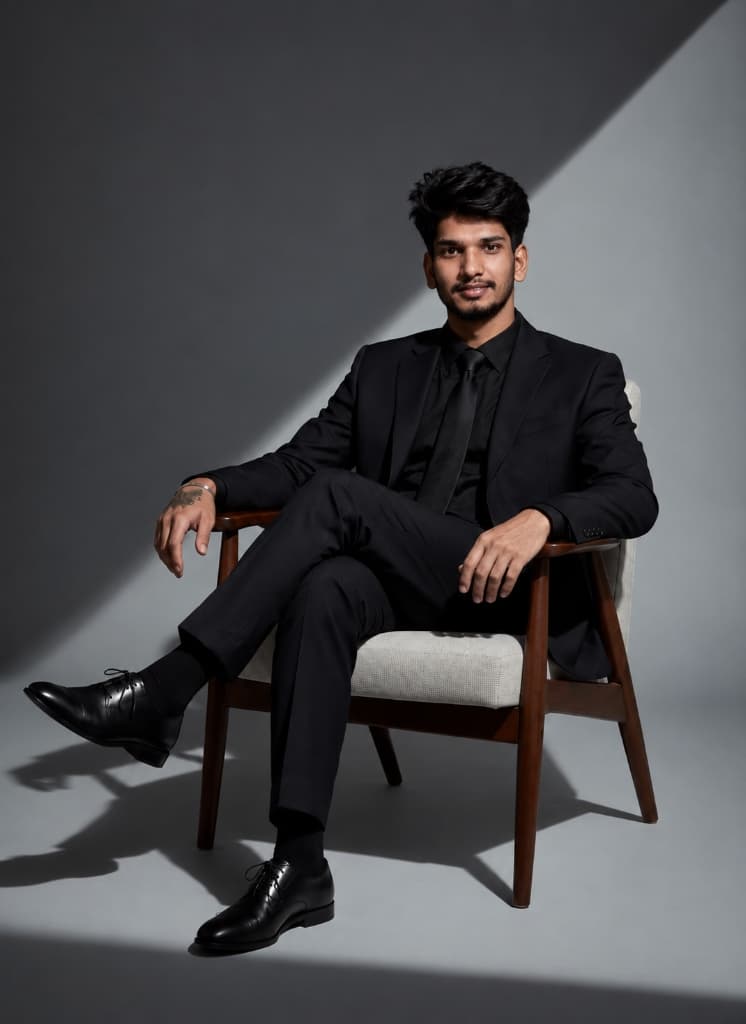
Anmol Masih
Founder & StrategistFounder of Tasvirwala & T. Creatives. Designing intelligent business systems, agents, and compounding operational workflows.